The Armor List: A Practical Guide to Thinking Clearly About Body Armor Decisions
If you work anywhere near body armor, whether you wear it, buy it, issue it, manage it, design it, manufacture it, distribute it, or regulate it, you’ve likely run into the same frustration:
The information exists, but it’s scattered.
Product details live in one place.
Standards and threat references live somewhere else.
Company credibility can be hard to verify.
Marketing language often blurs important distinctions.
And many decisions in use today were made years ago by people who are no longer around to explain them.
That’s not a people problem.
It’s an information problem.
The Armor List exists to solve that problem by giving professionals a shared, neutral reference to understand what exists, who stands behind it, and how armor decisions connect across products, companies, materials, standards, procurement, and time.
This guide explains how professionals actually use The Armor List and how to think clearly about armor decisions using it.
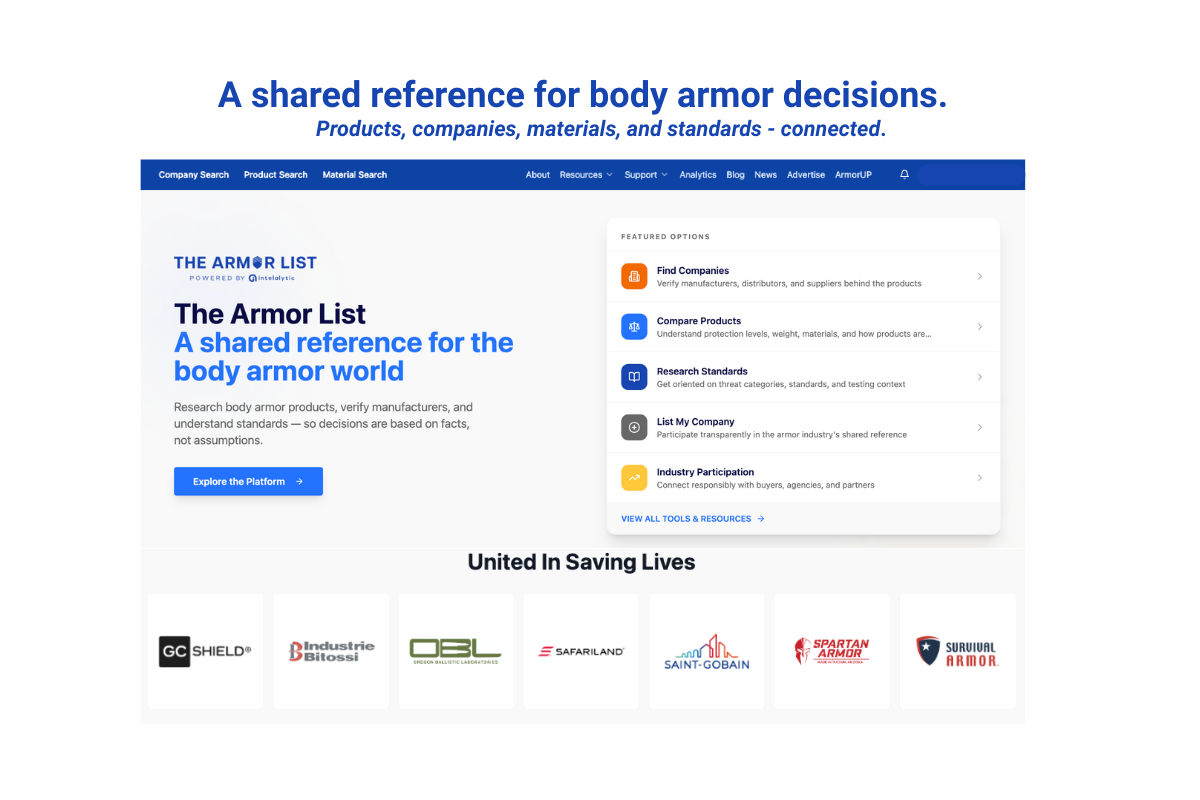
Table of Contents
1. How This Guide Is Meant to Be Used
This is not a buying guide.
It is not a standards manual.
It is not a marketing document.
It is a thinking guide.
People come to The Armor List from different roles, but they tend to follow the same decision path:
orient themselves to what exists
verify who they’re dealing with
understand tradeoffs and assumptions
preserve context so decisions hold up over time
As you read, ask:
Where do I sit in the decision chain—and what do I need clarity on right now?
2. Armor Is Not a Product — It’s a System of Decisions
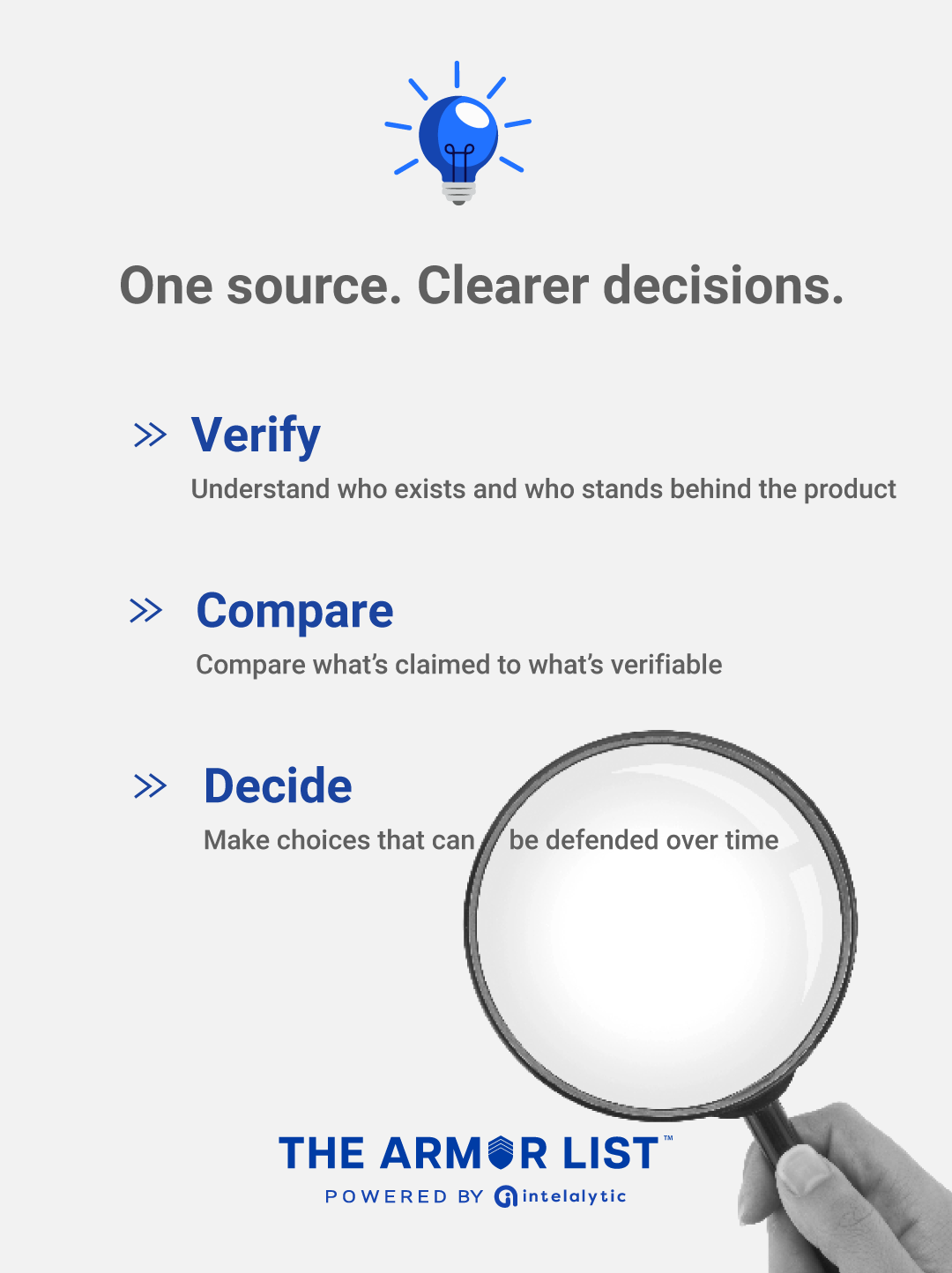
Armor is rarely just a purchase.
It’s a chain of decisions that unfolds over years:
materials sourced from specific regions
designs built around threat assumptions
test methods referenced under defined conditions
claims translated into marketing or procurement language
requirements written into contracts
gear issued, worn, stored, transported, and reissued
inspections performed consistently—or not
replacement delayed, accelerated, or forgotten
Most failures don’t happen on day one.
They surface years later, when someone asks:
“What exactly are we issuing right now—and why?”
The Armor List exists to keep that decision chain visible.
👉 Start here: https://armorlist.com/
3. Who Uses The Armor List — And Why That Matters
The Armor List is built for connection across roles, not a single audience.
People Who Wear or Issue Armor
Operators and officers use it to:
understand what their equipment actually references
see who manufactured it
connect threat context to real products and materials
People Who Decide, Approve, or Manage Programs
Procurement officers, program managers, and agencies use it to:
verify vendors and suppliers
compare how products and claims are described
maintain continuity through staff and contract changes
People Who Design, Build, or Supply Armor
Manufacturers, distributors, material suppliers, and researchers use it to:
present products accurately
understand how materials appear in real-world use
connect responsibly with buyers and partners
The Armor List doesn’t force these roles into one viewpoint.
It gives them shared reference points so decisions start from facts.
4. Start With What Exists — Not What’s Claimed
Many armor decisions go wrong because they start with claims instead of context.
Words like:
“certified,” “compliant,” “tested to,” or “equivalent”
are often treated as conclusions when they’re really starting points.
Professionals use The Armor List to answer simpler questions first:
What products exist?
Who makes them?
What materials are involved?
What standards or test methods are referenced?
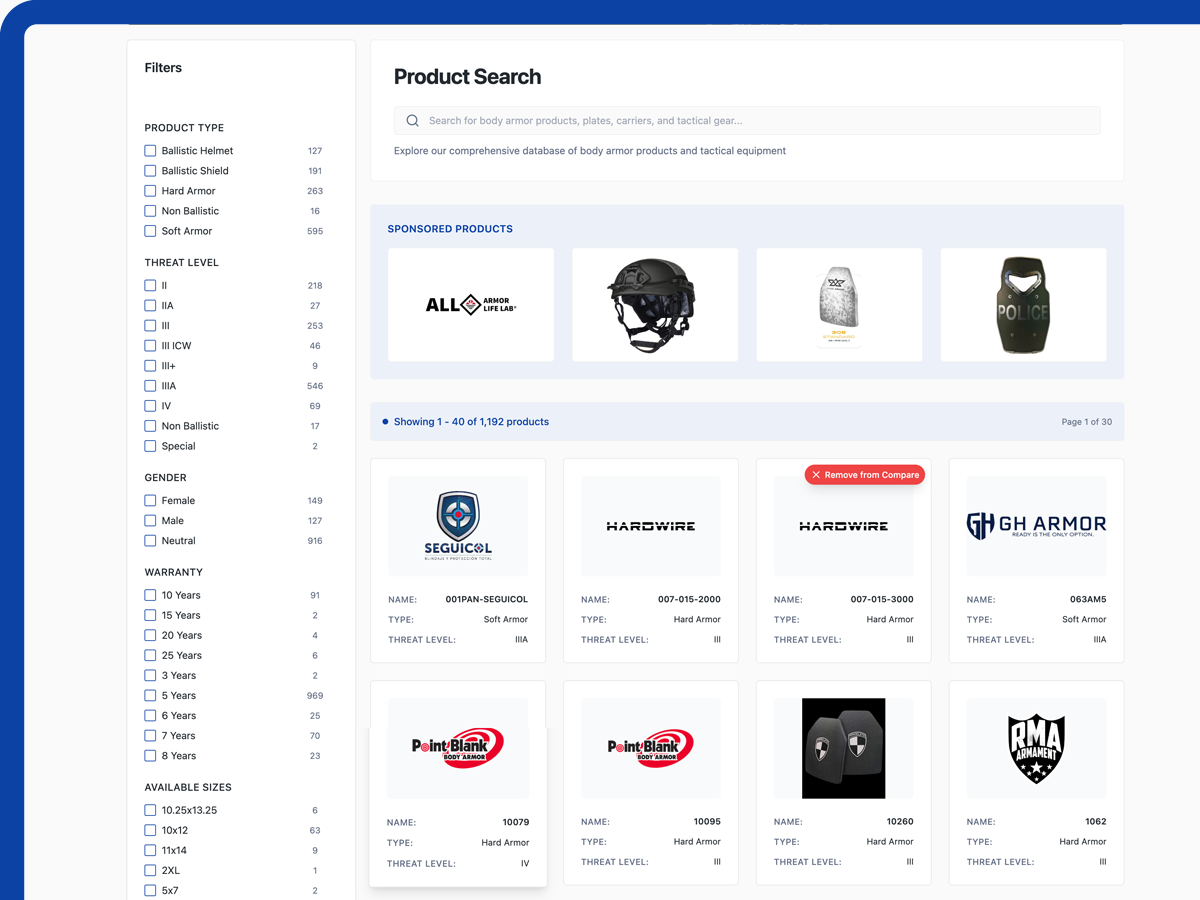
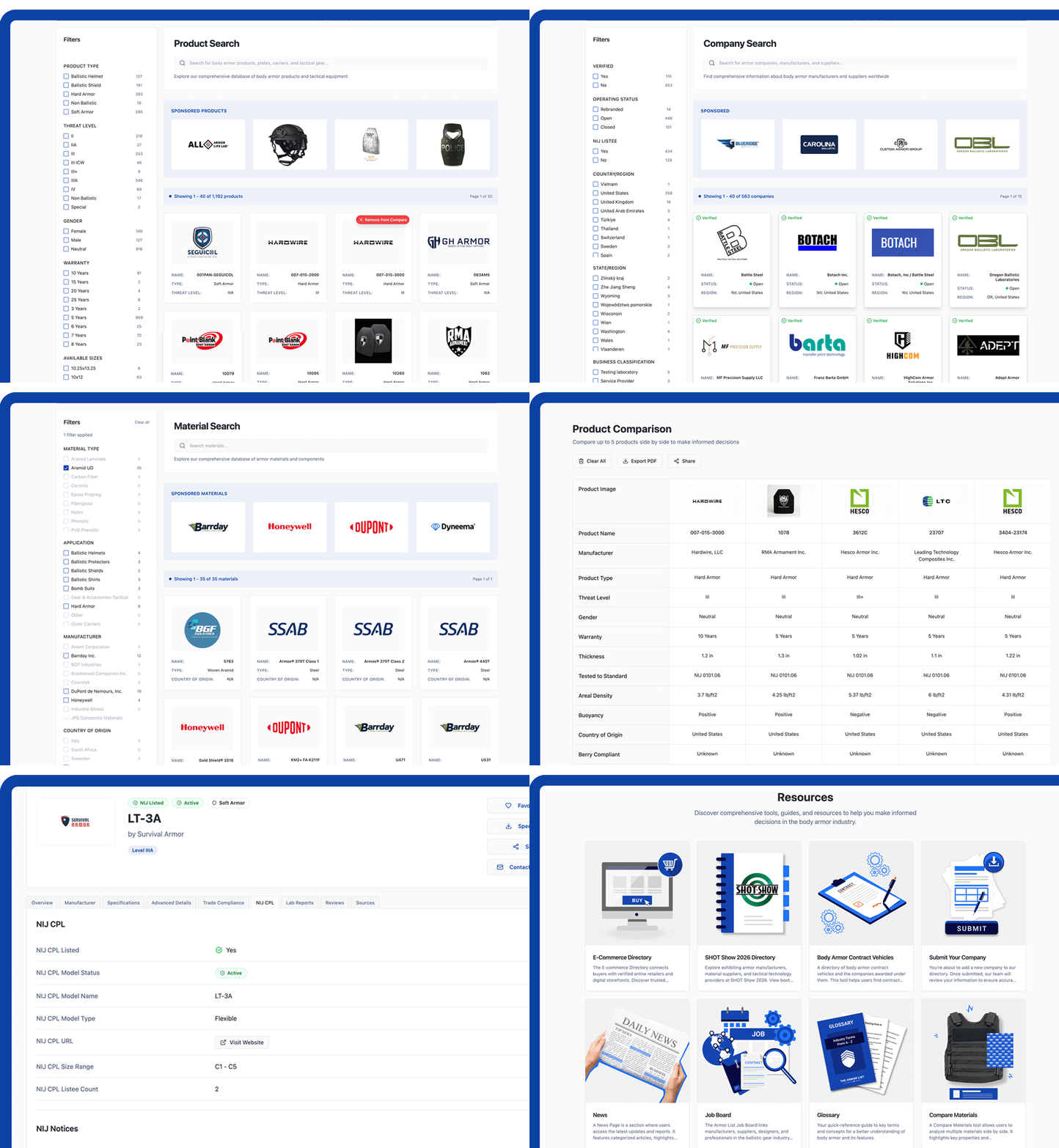
That starts with Product Search.
👉 Product Search
https://armorlist.com/product-search
This isn’t a shopping cart.
It’s how people understand the landscape before narrowing options.
5. Products vs. Companies: Two Different Questions
Products answer “what exists.”
Companies answer “who stands behind it.”
Specifications change.
Marketing language evolves.
Companies—and accountability—persist.
Using Company Search, professionals can:
verify manufacturers, distributors, and suppliers
understand supply-chain relationships
flag inconsistencies early
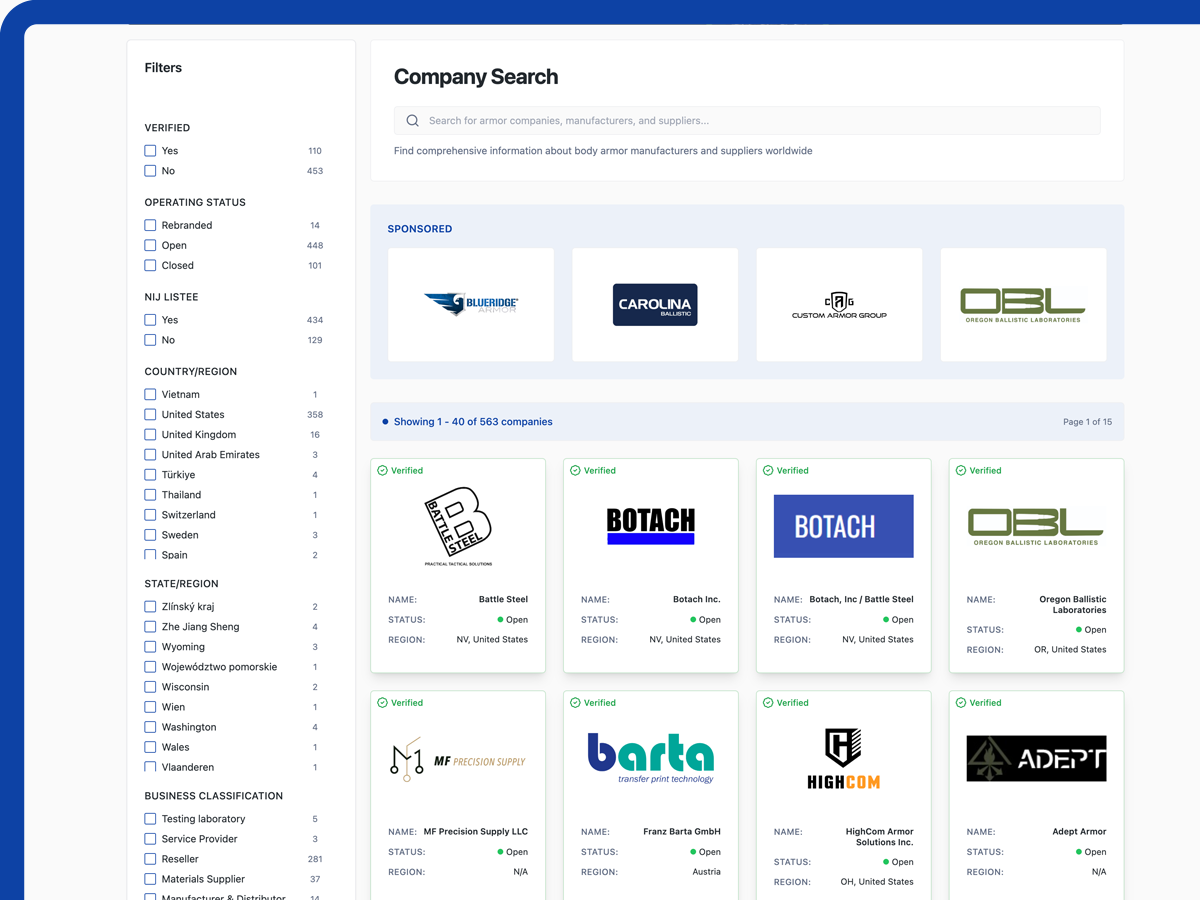
👉 Company Search
https://armorlist.com/company-search
Clear decisions separate product evaluation from company verification.
6. Materials Drive Outcomes More Than Most People Realize
Two products can look similar on paper and behave very differently in the field.
Materials influence:
weight and thickness
durability and multi-hit performance
sensitivity to heat and handling
long-term degradation
The Armor List separates materials from products so users can understand what’s actually inside the gear.
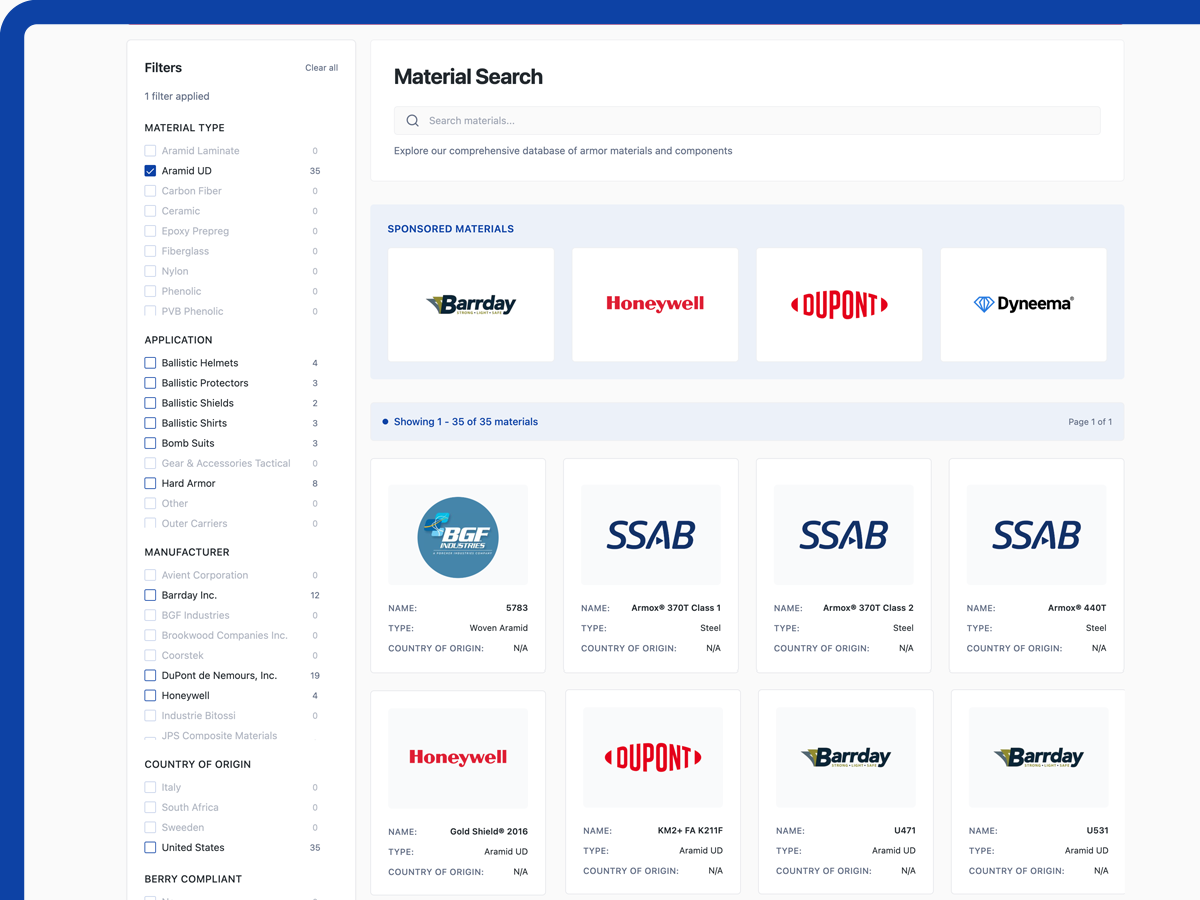
👉 Material Search
https://armorlist.com/material-search
This visibility helps everyone—from engineers to buyers—ask better questions.
7. Standards and Claims: Orientation Beats Memorization
Standards matter but they’re often misunderstood.
The challenge isn’t memorizing standards—it’s knowing which framework applies and what a claim really means.
Body armor, helmets, shields, stab protection, materials, and international products all fall under different standards families.
The Armor List provides orientation-level context:

Global Ballistic Standards
Access comprehensive ballistic protection standards and testing protocols from around the world. Find the specifications and requirements that guide body armor design and certification.
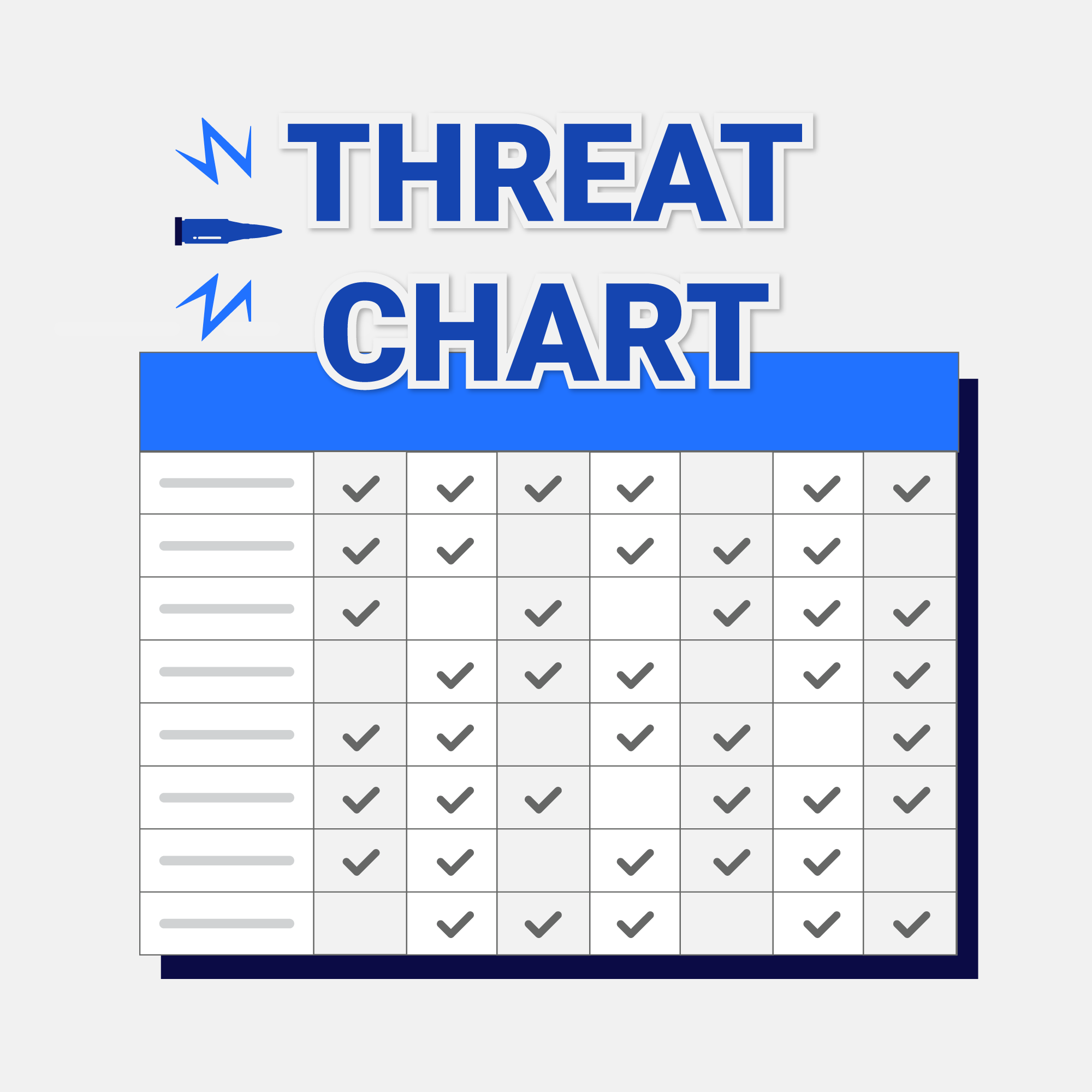
Ballistic Threat Chart
Comprehensive ballistic threat specifications and testing velocities across different protection standards and threat levels.
8. Non-Certified Products Aren’t the Risk — Blind Trust Is
A product not listed under a specific certification program is not automatically bad.
Many legitimate ballistic products:
support specialized missions
serve international markets
function as components or systems
The real risk is making decisions without verification.
The Armor List shifts the question from:
“Is this certified?”
To:
“Can I verify the company, understand the testing context, and defend this decision later?”
9. Procurement Is Where Good Intent Often Breaks Down
Procurement failures usually come from translation, not negligence.
Common issues include:
claims copied directly from brochures
vague definitions of “compliant”
limited visibility into contract vehicles
loss of context when staff turns over
The Armor List centralizes reference information so decisions remain explainable.
Body Armor Contract Vehicles
Explore federal contract vehicles for body armor procurement. Find qualified vendors and streamline your purchasing process through established government contracts.

SAM.gov Opportunities
Browse federal contracting opportunities related to body armor and defense equipment
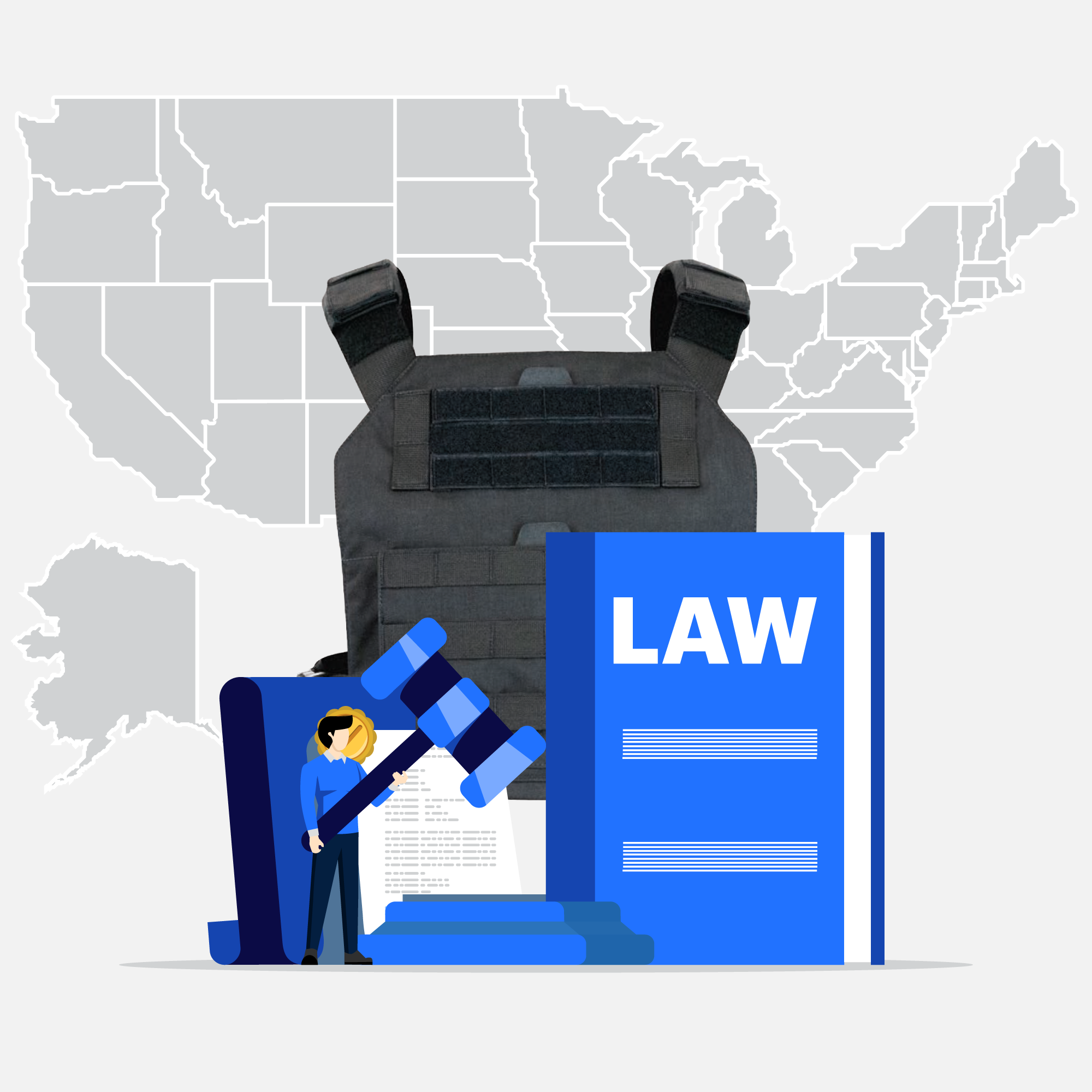
Body Armor Laws by State
Whatever it is, the way you tell your story online can make all the difference.
10. Lifecycle Is About Decision Memory, Not Tools
Armor programs often fail because context disappears.
Years later, people ask:
Why was this chosen?
What assumptions were made?
Who manufactured it?
Lifecycle risk is about losing the ability to reconstruct decisions.
The Armor List supports lifecycle thinking by preserving connections between:
products
companies
materials
standards references
procurement pathways
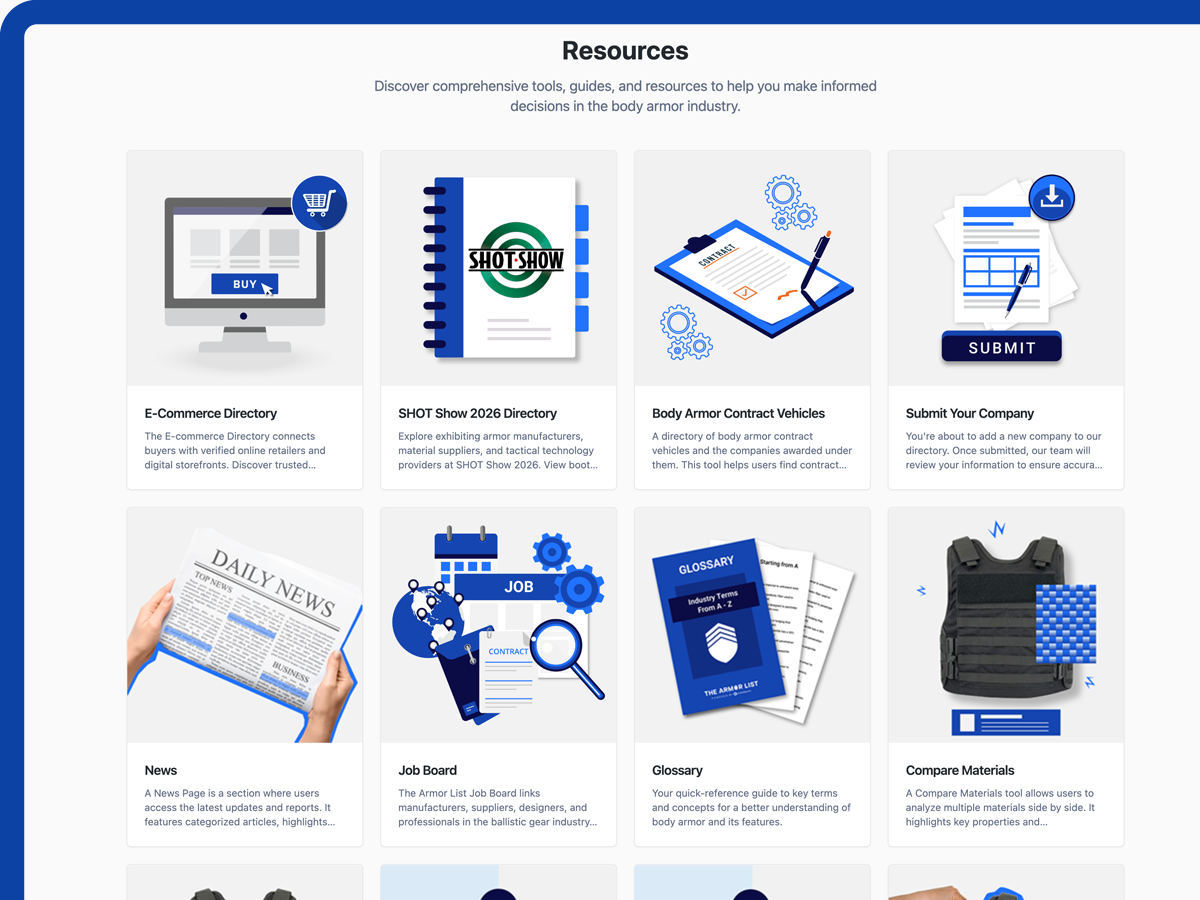
👉 Resources & Reference Tools
https://armorlist.com/resources
This isn’t about predicting the future.
It’s about keeping the past explainable.
11. Research, Industry Intelligence, and Community
For deeper engagement, the platform also supports:

News & Industry Intelligence
Features categorized industry articles, highlights key events, and ensures easy navigation for staying informed.
Body Armor Patents
Explore innovative body armor technologies and designs through our comprehensive patent database.

Job Board
The Armor List Job Board links professionals across the armor ecosystem
ArmorUP Community Forum
Connect with industry professionals, share knowledge, and discuss body armor technology.
These layers support long-term learning and discussion.
12. How Companies Participate (Without Turning It Into Noise)
The Armor List is not a closed system.
Companies are encouraged to participate transparently by reviewing and clarifying how they’re represented.

Submit Your Company
Get your company listed on The Armor List directory or claim your listing to become verified.
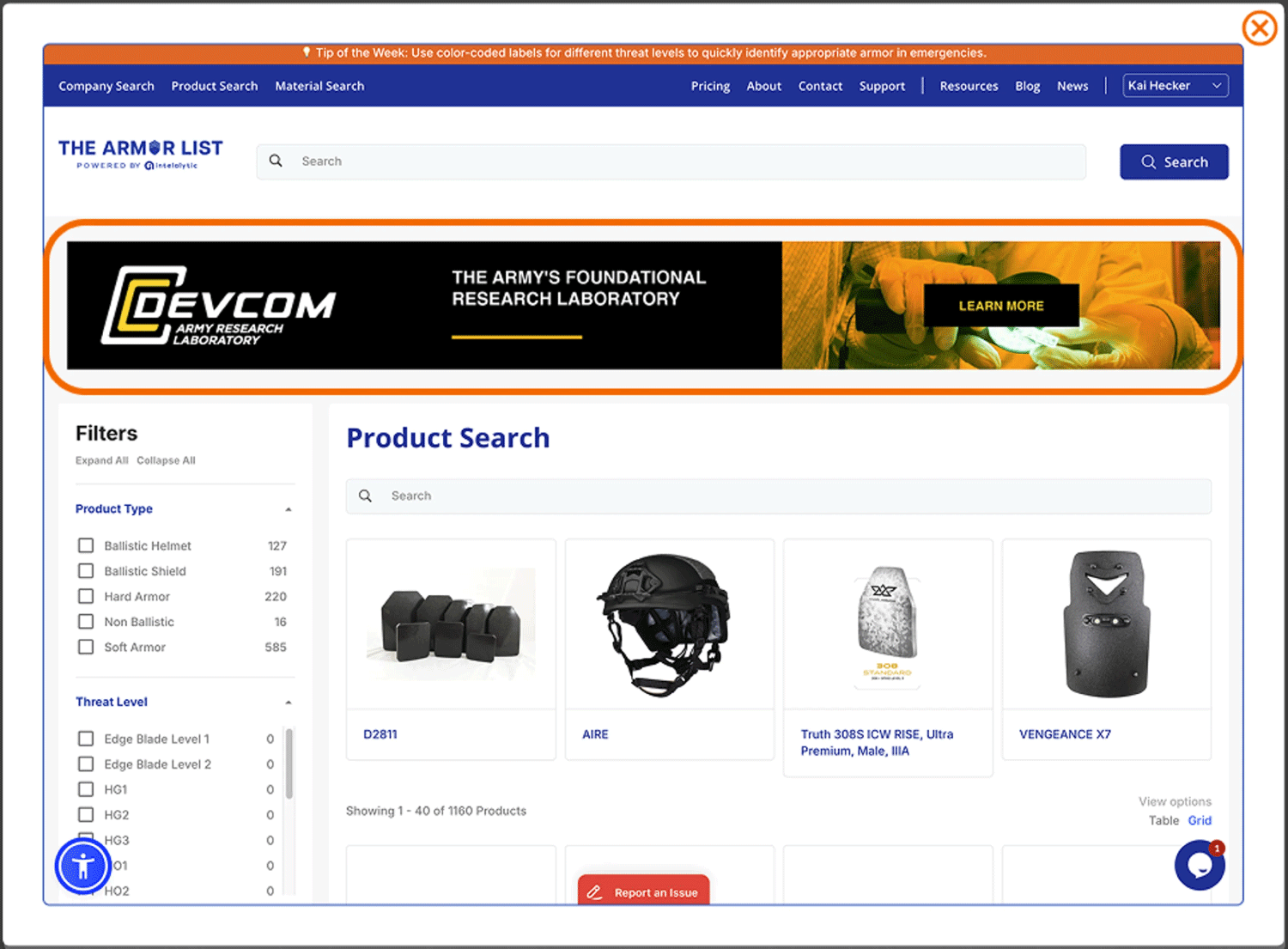
Industry Participation & Advertising
High-impact placements across homepage, products, newsletters, and more.
Participation is about accountability—not hype.
13. How to Use The Armor List Going Forward
14. The Bottom Line
The Armor List doesn’t replace judgment.
It supports it.
It exists so armor decisions are made with:
visibility instead of assumption
verification instead of blind trust
context instead of fragments
That’s how decisions hold up—operationally, administratively, and over time.